Finding truly authentic cacio e pepe in Rome’s bustling city center can feel like a quest—especially when every corner trattoria claims to have the "best." As a specialist who’s navigated countless Roman menus, I can tell you that distinguishing a sublime, silky cacio e pepe from a merely passable one is crucial for experiencing the city's true culinary soul. This isn't just about finding a restaurant; it’s about understanding the nuances of a dish that's simple in ingredients but complex in execution, ensuring you know exactly where to eat cacio e pepe in Rome City Center for an unforgettable meal.
At a Glance: Your Cacio e Pepe Playbook
- Understand the "True" Cacio e Pepe: Learn the three core ingredients and the crucial technique that sets it apart.
- Navigate Rome's Eateries: Discern between traditional, refined, historic, and modern interpretations right in the city center.
- Identify Top Spots: Get specific, vetted recommendations for where to find exceptional cacio e pepe.
- Master the Ordering Experience: Learn how to specify your preferences and recognize authenticity on the plate.
- Avoid Tourist Traps: Spot red flags that signal a sub-par Roman dining experience.
- Enhance Your Meal: Discover ideal wine pairings and contextual sides to balance the dish's richness.
The Art of Cacio e Pepe: A Roman Staple Unpacked
Cacio e pepe, literally "cheese and pepper," is more than just a pasta dish; it's a testament to Roman culinary philosophy: simple ingredients, masterfully combined. Its origins trace back to ancient Rome, evolving from a humble peasant food to a shepherd's staple—easy to transport, hearty, and full of flavor.
At its heart, true cacio e pepe relies on just three components: Pecorino Romano cheese, freshly cracked black pepper, and pasta. The magic happens with the emulsification process, where the starchy pasta water, vigorously tossed with grated Pecorino and pepper, creates a smooth, creamy sauce that clings to every strand without a drop of butter or cream. This delicate balance of salty, peppery, and rich is the true test of a Roman chef's skill, and when executed flawlessly, it's a sublime, vegetarian-friendly experience.
Navigating the Landscape: Traditional vs. Modern vs. Tourist Trap
Before we dive into specific recommendations, it’s vital to understand that not all cacio e pepe is created equal, even within the city center. You'll encounter different philosophies and approaches:
- The Purists (Traditional): These establishments adhere strictly to the three-ingredient rule (Pecorino, pepper, pasta water). Their versions are often robust, intensely peppery, and incredibly satisfying, showcasing the chef's precise control over emulsion.
- The Refined & Historic (Often with a Twist): Some revered, long-standing trattorias might incorporate a touch of butter for an even creamier mouthfeel, a deviation from the absolute purist stance but one that has become an accepted, historic interpretation in certain circles.
- The Modern & Michelin-Starred: Here, you might find chefs experimenting with cheese blends (Pecorino and Parmesan), unique pasta shapes, or even subtle additions like truffle oil or black truffle. These are culinary explorations, often exceptional, but distinct from the dish's rustic roots.
- The Tourist Traps: These spots are characterized by multi-language menus with pictures, often located in high-traffic areas. Their cacio e pepe might be dry, clumpy, or bland, using inferior cheese or incorrect technique, frequently incorporating cream to simplify preparation—a clear sign of inauthenticity.
Understanding these distinctions will help you align your expectations with the culinary experience you seek. For a broader perspective on how these traditions fit into Rome's entire food scene, you can delve into Our guide to authentic Roman flavor.
Your Trusted List: Where to Eat Cacio e Pepe in Rome City Center
When it comes to pinpointing where to eat cacio e pepe in Rome City Center, precision matters. We've curated a list of establishments, each offering a distinct, yet authentic, take on this Roman classic. These spots are mostly well within the historical core or easily accessible from it, ensuring you don't have to venture far for excellence.
The Purists' Paradise: Uncompromisingly Traditional
These are the places revered for their adherence to the classic recipe, delivering a cacio e pepe that sings with the pure flavors of Pecorino Romano and black pepper.
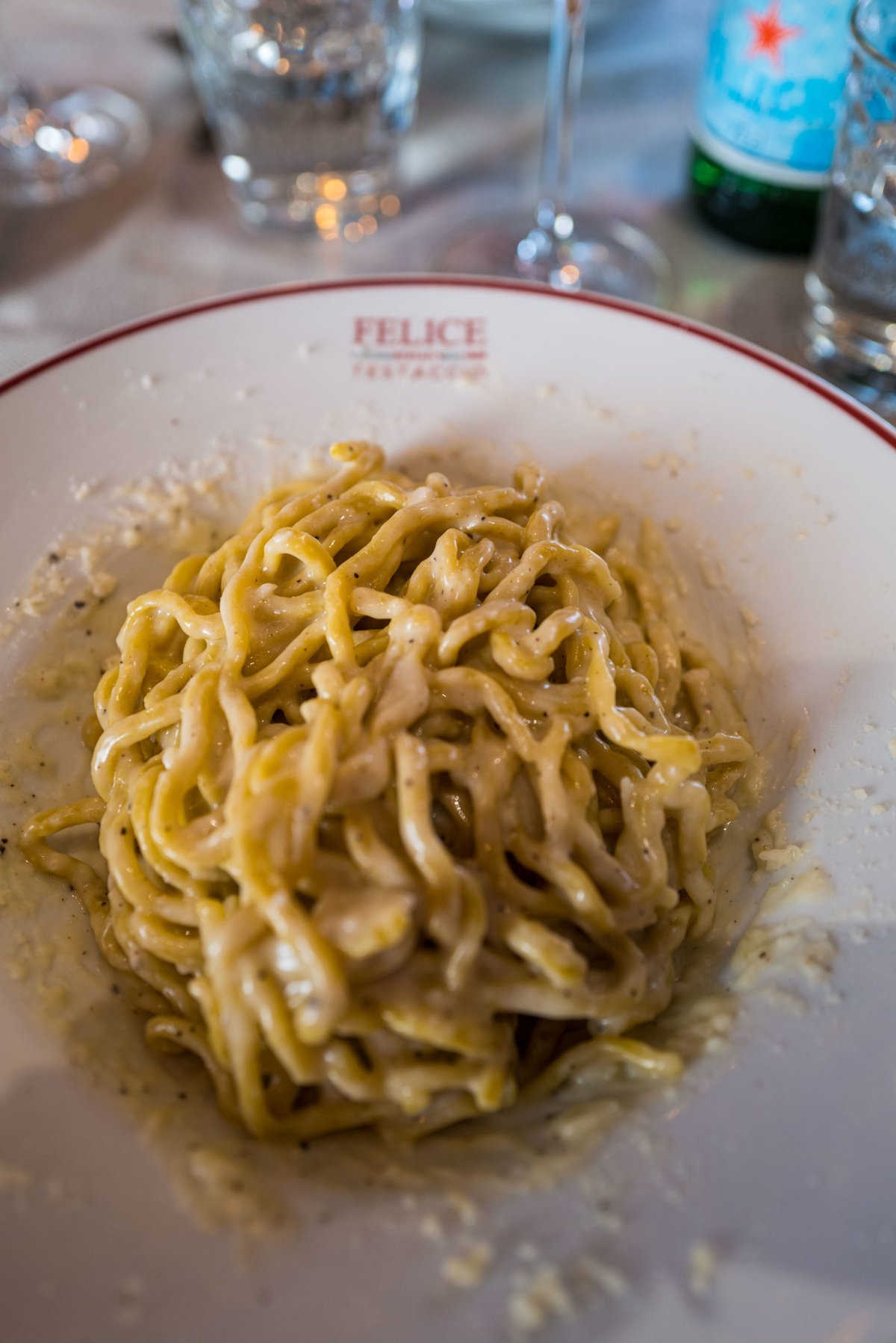
- Felice a Testaccio: While technically in the Testaccio neighborhood, just south of the city center, Felice is often cited as the benchmark for cacio e pepe and is easily reachable. Their version is legendary for its silky texture, intense peppery kick, and perfectly balanced flavor. What often sets them apart is the tableside mixing: the server brings the pasta and cheese separately, then skillfully combines them to achieve that iconic creamy emulsion right before your eyes. It’s a performance and a promise of freshness. Be prepared for a wait, or book well in advance.
- Why go: For the quintessential, tableside-prepared cacio e pepe that exemplifies perfect emulsification.
- Expect: A lively, traditional trattoria atmosphere, popular with locals and in-the-know tourists.
- Da Enzo al 29: Located in Trastevere, another vibrant, centrally located neighborhood, Da Enzo al 29 is a smaller, often bustling trattoria celebrated for its authentic Roman fare. Their cacio e pepe is renowned for its robust flavor and ideal consistency—never too runny, never too dry. They stick firmly to the traditional method, allowing the quality of their ingredients and the skill of their kitchen to shine.
- Why go: For a consistently excellent, traditional cacio e pepe in a charming, authentic setting.
- Expect: A cozy, no-frills environment; expect queues if you don't arrive early.
- Flavio al Velavevodetto: Also situated in Testaccio, Flavio offers another fantastic traditional rendition. Housed within the Monte Testaccio (an ancient dump of broken amphorae), the restaurant's unique setting adds to its charm. Their cacio e pepe is noted for its strong, distinct Pecorino flavor and generous use of pepper, delivering a bold and satisfying experience.
- Why go: For a classic, peppery cacio e pepe in a unique historical location.
- Expect: A slightly larger, more contemporary trattoria feel than Da Enzo, but still very traditional in its food.
A Refined Approach: Elevated Classics
For those seeking a cacio e pepe that balances tradition with a touch of elegance and a deeper, more rounded flavor profile.
- Trattoria al Moro: Just a stone's throw from the Trevi Fountain, Trattoria al Moro is a Roman institution, known for its classic, slightly more refined interpretations of Roman dishes. Their cacio e pepe is rich and generous, often described as having a sophisticated creaminess derived from using excellent quality fresh Pecorino Romano and masterly technique. It’s an experience that feels a notch above the rustic trattoria, without sacrificing authenticity.
- Why go: For a rich, elegant cacio e pepe in a venerable, classic Roman establishment.
- Expect: A more formal, albeit still warm, dining experience; often frequented by politicians and celebrities. Reservations are essential.
Echoes of History: Trattorias with a Twist
These historic spots deliver creamy, rich versions, some with a subtle touch of butter—a historical nuance that offers a slightly different, yet still delicious, flavor profile.
- La Gensola: Located in Trastevere, La Gensola is a historic trattoria with over a century of serving Roman and seafood specialties. Their cacio e pepe is known for being particularly creamy and rich, sometimes featuring that faint hint of butter that some older establishments adopted to enhance the texture. It’s a well-executed dish that speaks to a long-standing tradition of Roman cooking.
- Why go: For a creamy, rich cacio e pepe with historical depth.
- Expect: A classic, slightly upscale trattoria vibe, popular with both locals and discerning visitors.
- Caffè Greco: While primarily a historic coffee house (over 200 years old) on Via dei Condotti, often frequented for coffee and pastries, the ground truth research indicates it offers a creamy, rich version of Cacio e Pepe, potentially with a touch of butter. It's a grand, opulent setting. However, as a specialist, it's worth noting that while historically significant, a dedicated trattoria might offer a more focused cacio e pepe dining experience. If you’re visiting for the historical ambiance and want to try their take, it could be an interesting experience.
- Why go: For the experience of eating cacio e pepe in one of Rome's oldest and most iconic historical establishments.
- Expect: A very elegant, high-end cafe atmosphere. Confirm menu availability beforehand as dining focus might be secondary to cafe service.
Modern Marvels: Michelin Stars and Innovative Blends
For the adventurous palate, these establishments offer contemporary takes, blending tradition with culinary innovation.
- La Rosetta: Rome's premier fish restaurant near the Pantheon, La Rosetta, while focused on seafood, also offers a modern interpretation of cacio e pepe. Their approach might involve a delicate balance of Pecorino Romano and Parmesan, or a unique preparation that elevates the classic. This is less about rustic authenticity and more about culinary artistry.
- Why go: For a refined, innovative take on cacio e pepe in an upscale dining context.
- Expect: A high-end, elegant seafood restaurant.
- Il Pagliaccio: A two-Michelin-starred restaurant located near Ponte Sisto, Il Pagliaccio represents the pinnacle of modern Italian cuisine in Rome. Their cacio e pepe is a gourmet interpretation, often featuring a precise blend of Pecorino Romano and Parmesan, along with a touch of black pepper, and sometimes elevated with truffle oil or delicate shavings of black truffle. This isn't your nonna's cacio e pepe; it's a dish designed to surprise and delight with unexpected depths of flavor.
- Why go: For a truly luxurious, Michelin-starred interpretation of cacio e pepe.
- Expect: An exquisite fine-dining experience; reservations far in advance are mandatory.
Mastering the Cacio e Pepe Experience: Insider Tips
Finding where to eat cacio e pepe in Rome City Center is only half the battle. Knowing how to order, what to look for, and how to enjoy it elevates your entire meal.
Choosing Your Pasta: Tonnarelli Reigns Supreme
While spaghetti or rigatoni can be used, tonnarelli is often considered the ideal pasta for cacio e pepe. Its thick, square strands offer more surface area and a satisfying chew, allowing the creamy sauce to cling perfectly. If available, always opt for tonnarelli.
The Perfect Sauce: What to Look For
A properly made cacio e pepe should have a silky, velvety sauce that completely coats the pasta. It should never be dry, clumpy, or excessively runny. The cheese and pasta water must emulsify into a smooth, cohesive delight. Look for visible specks of black pepper, indicating a fresh grind and a generous hand. If you see pools of oil or a chalky texture, it’s a sign of incorrect preparation.
Balancing the Richness: Sides and Sips
Cacio e pepe is an intensely rich dish, thanks to the potent Pecorino Romano. To balance its robust flavors:
- Bread: A simple basket of good, crusty Roman bread (pane casereccio) is essential for scarpetta—mopping up every last drop of that incredible sauce.
- Vegetables: A fresh side salad or some simply prepared Roman greens like cicoria ripassata (sautéed chicory) can provide a welcome counterpoint to the pasta's richness.
- Wine Pairing: Opt for a crisp, dry white wine. Frascati and Verdicchio are excellent local choices, their acidity cutting through the cheese and pepper, refreshing your palate. Avoid heavy reds, which would overwhelm the dish.
Dodging Tourist Traps: Red Flags to Watch For
As you search for where to eat cacio e pepe in Rome City Center, be wary of these common tourist traps:
- Multi-language menus with pictures: A classic sign that the restaurant prioritizes attracting tourists over authentic culinary execution.
- Aggressive street hawkers: If someone is trying too hard to pull you in, it's usually a bad sign.
- Locations directly facing major attractions: Restaurants right on Piazza Navona or at the foot of the Spanish Steps often have inflated prices and mediocre food. Venture a street or two back for better quality.
- Dishes that arrive suspiciously fast: While some Roman pasta dishes are quick to prepare, an unnaturally speedy delivery can indicate pre-made sauces or shortcuts.
The "When" and "How": Eating Fresh
Cacio e pepe is a dish meant to be consumed immediately. The delicate emulsion can break down quickly, so it does not reheat well. Order it, savor it, and enjoy it fresh from the kitchen. When ordering, simply specify "cacio e pepe" and trust the chef. You shouldn't need to ask for "more cheese" or "more pepper" in a good Roman trattoria—they know the balance.
Quick Answers to Common Cacio e Pepe Questions
Finding the right spot is key, but understanding the dish itself clarifies much.
Q: What exactly is cacio e pepe?
A: Cacio e pepe is an iconic Roman pasta dish made simply with Pecorino Romano cheese, black pepper, and pasta, with a creamy sauce created solely by emulsifying the cheese with starchy pasta water.
Q: Does authentic cacio e pepe use butter or cream?
A: Traditionally, authentic cacio e pepe does not use butter or cream. The silky sauce is achieved through the precise emulsification of Pecorino Romano and pasta water. However, some historic Roman trattorias have, over time, incorporated a touch of butter for a richer texture, which is seen as an accepted, albeit non-purist, interpretation. Cream is generally a sign of inauthenticity.
Q: What's the best pasta for cacio e pepe?
A: Tonnarelli, with its thick, square-cut strands, is widely considered the best pasta for cacio e pepe as it holds the creamy sauce exceptionally well. Spaghetti and rigatoni are also common, acceptable alternatives.
Q: How do I spot a good cacio e pepe on the plate?
A: A well-made cacio e pepe will have a smooth, velvety sauce that evenly coats every strand of pasta, with visible specks of freshly ground black pepper. It should not appear dry, clumpy, or have separated oil. The pasta should be al dente.
Q: Can I reheat cacio e pepe?
A: No, cacio e pepe does not reheat well. The delicate emulsion of cheese and pasta water will break down, resulting in an oily or clumpy texture. It's a dish best enjoyed fresh from the kitchen.
Your Cacio e Pepe Playbook: Making the Right Choice
Deciding where to eat cacio e pepe in Rome City Center boils down to your preference for tradition, refinement, or innovation.
- For the Absolute Purist & Traditionalist: Head straight to Felice a Testaccio, Da Enzo al 29, or Flavio al Velavevodetto. You’ll get a robust, classic experience, often with tonnarelli.
- For a Refined Classic with a Touch of Elegance: Trattoria al Moro offers a rich, generous, and slightly more upscale version of the traditional dish.
- For a Taste of History with Added Creaminess: La Gensola offers a creamy, rich version that echoes older Roman culinary styles. Consider Caffè Greco for the historical setting, though confirm their full dining offerings.
- For a Modern, Gourmet Interpretation: If you're seeking a culinary adventure and fine dining, Il Pagliaccio or La Rosetta will provide innovative, high-end takes, possibly with truffles or cheese blends.
Remember to consider location for convenience within the city center, but don't shy away from a short taxi ride to Testaccio or Trastevere—these neighborhoods are where much of Rome's best traditional food truly thrives.
The Unforgettable Taste of Rome
Ultimately, your quest to find where to eat cacio e pepe in Rome City Center is a journey into the heart of Roman culinary identity. This seemingly simple dish, when prepared with expertise and passion, encapsulates the city's spirit: rich, authentic, and utterly unforgettable. By following these guidelines, you're not just ordering a meal; you're engaging with centuries of tradition, ensuring your Roman cacio e pepe experience is nothing short of exceptional. Enjoy the chase, and savor every peppery, cheesy bite.