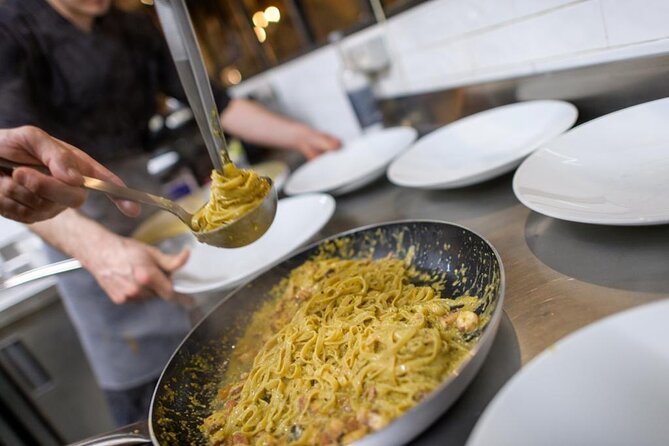
Rome, with its timeless allure, often draws visitors to its iconic landmarks and, inevitably, its bustling trattorias near the Colosseum or Pantheon. But for those truly seeking to taste the city's soul, the real magic lies in discovering unique Roman dining experiences off the beaten path. It's about peeling back the layers of tourist-centric menus and venturing into the neighborhoods where local life, and local flavors, truly thrive. As an expert who's spent years navigating these very backstreets, I can tell you that Rome's most memorable meals aren't always found on the main piazza; they're tucked away, whispered about, and often enjoyed with a healthy dose of authentic Roman banter.
At a Glance: Crafting Your Authentic Roman Plate
- Beyond the Highlights: Learn to identify and avoid typical tourist traps, focusing on genuinely local establishments and experiences.
- Neighborhood Deep Dives: Discover specific Roman districts renowned for their authentic, non-touristy culinary scenes.
- Experiential Dining: Explore immersive options like home dining with locals and hands-on cooking classes that go beyond the usual.
- The Cucina Povera Ethos: Understand the philosophy behind Rome's simple, seasonal, and surprisingly rich cuisine, and how to spot it.
- Practical Playbook: Get actionable steps for researching, booking, and navigating your unique Roman food journey.
- Spotting a Gem: Develop an eye for the subtle clues that indicate an eatery is truly authentic and cherished by Romans.
The Roman Table, Untamed: Beyond the Usual Suspects
Rome's culinary identity is deeply rooted in cucina povera – "poor kitchen" cuisine. This isn't about lack of flavor, but a celebration of simple, seasonal, and readily available ingredients: robust olive oil, sharp Pecorino Romano cheese, sun-drenched vegetables like artichokes and tomatoes, and humble proteins like pork, lamb, and even offal. This philosophy birthed legendary dishes like Carbonara, Cacio e Pepe, and Amatriciana, which are now global icons.
The challenge for the discerning traveler is that Rome's immense popularity means these very traditions can be diluted in tourist-heavy zones. Many establishments capitalize on the "Roman" label without delivering the genuine article. Our quest, then, is to bypass the well-trodden paths and dive into places where this authentic culinary spirit remains uncompromised, where meals are social rituals, long and loud, and food is prepared with generations of inherited wisdom, not just a recipe.
Deciphering Rome's Culinary DNA: The Essential Building Blocks
Before we venture off the path, a quick primer on Rome's core flavors helps in recognizing authenticity. When you find a trattoria or a local's home truly "off the beaten path," you'll still encounter these foundational elements, but prepared with an honesty and depth that's often missing elsewhere:
- The Holy Trinity of Pasta: Carbonara (creamy from egg yolk, Pecorino, guanciale), Cacio e Pepe (minimalist, intense cheese and pepper), and Amatriciana (rich tomato, guanciale, Pecorino). These aren't just dishes; they're tests of a kitchen's true Roman pedigree.
- Artichokes, Roman Style: Whether braised alla Romana with herbs and olive oil or deep-fried alla Giudia (Jewish style), these seasonal delights are a benchmark of fresh, skillful preparation.
- The Humble Supplì: These fried rice balls, usually with tomato and mozzarella, are more than a snack; they're a quick, satisfying bite that speaks to Roman street food tradition.
- Beyond the Famous: Look for dishes like Saltimbocca alla Romana (veal, prosciutto, sage), Coda alla Vaccinara (oxtail stew), or various quinto quarto (offal) preparations. These are often indicators of a truly local spot, as they appeal less to a general tourist palate.
Understanding these staples helps you appreciate when they're done right, and also informs your choices when exploring the truly unique experiences we're about to uncover.
Navigating the Authentic Roman Palate: Where to Look & How to Spot a Gem
Finding those genuinely unique Roman dining experiences off the beaten path requires a shift in perspective. It's less about following a list and more about cultivating a detective's eye and a willingness to explore.
Beyond Trastevere's Main Square: Unearthing Neighborhood Delights
While Trastevere is charming, its central piazzas are often dominated by tourist-oriented eateries. To find the "off-beat" within it, wander into the smaller, quieter side streets, away from Piazza di Santa Maria in Trastevere. Even better, consider venturing into adjacent or nearby neighborhoods that see far fewer tour groups.
- Testaccio: The Heart of Cucina Povera: Historically the working-class meatpacking district, Testaccio is perhaps the neighborhood for authentic Roman food, especially offal (though not exclusively). Places here often serve dishes passed down through generations. The Testaccio Market (Mercato di Testaccio) is an incredible daytime experience for sampling local produce, artisan cheeses, and gourmet street food from small, family-run stalls. It's truly a sensory dive into local life.
- How to spot a gem: Look for crowded, unpretentious trattorias where Italian is the predominant language, and the menu might be handwritten or chalked on a board. Seek out eateries known for specific, classic Roman dishes.
- Monti: Hip, Yet Historically Rooted: Just east of the Colosseum, Monti has evolved into a stylish area with chic boutiques and wine bars. But tucked away on its cobbled streets are intimate trattorias and enoteche (wine bars) that serve excellent, less common Roman fare alongside a fantastic selection of local wines. It offers a balance of modern atmosphere and traditional taste.
- Tip: Places like Ai Tre Scalini, while popular, maintain a local feel and serve excellent Roman appetizers and a great wine list, making it a good "off-beat" starting point in a known area.
- Garbatella: A Step Back in Time: This charming, often overlooked garden suburb, built in the early 20th century, feels like a village within Rome. Its unique architecture and relaxed pace make it perfect for discovering cozy, family-run trattorias where you’ll rarely hear English spoken. The food here is genuinely home-style Roman, generous and hearty.
- Case Snippet: Imagine stumbling upon a tiny osteria in Garbatella, no website, just a handwritten sign, where a nonna is rolling pasta by hand in the window. That's the kind of authentic discovery we're talking about. The aroma of simmering ragù and the sight of locals laughing over carafes of house wine are your best indicators.
The "Non-Restaurant" Experience: Immersive & Intimate
To truly get off the beaten path, sometimes you need to step outside the traditional restaurant setting altogether. These experiences offer unparalleled intimacy and insight into Roman culinary culture.
- Dining in a Local's Home (The Cesarine Network): This is arguably the most unique and intimate dining experience you can have in Rome. The Cesarine network connects travelers with local home cooks who open their kitchens and dining rooms to guests. You'll enjoy a multi-course, traditional Roman meal, often prepared with family recipes, in a warm, personal setting. It's not just a meal; it's a cultural exchange, offering a direct window into Italian family life and cuisine.
- Why it's unique: Far from any tourist trail, you're a guest, not a customer. You'll share stories, learn about local ingredients, and taste dishes perfected over generations. These experiences are highly personal, catering to dietary needs, and offer a quiet, authentic alternative to bustling restaurants.
- Hands-On Workshops with a Local Twist: While cooking classes are popular, seek out those that offer more than just a recipe. Look for small-group workshops focusing on specific Roman dishes (like mastering quinto quarto or different pasta shapes), perhaps held in less central locations, or those that combine cooking with a market visit. Some tours even take you out to the Castelli Romani region, like Frascati, for a pasta-making session followed by a wine cellar tour and tasting.
- What to look for: Prioritize classes led by genuine Roman chefs or home cooks, with small group sizes for personalized attention. The best ones incorporate history, local ingredient sourcing, and a shared meal of your creations.
- Local Markets and Gourmet Delis (Beyond Tasting Tours): Instead of joining a generic market food tour, venture into markets like Testaccio or Mercato Trionfale (near the Vatican) independently.
- Self-guided exploration: Interact with vendors, sample cheeses (like the renowned Pecorino Romano from La Tradizione in Prati-Vatican-Trionfale), cured meats, and seasonal produce. Pick up ingredients for a Roman-style picnic or seek out a tavola calda (hot table) within the market for a simple, authentic lunch. Places like Salumeria Roscioli in Centro Storico offer exceptional deli selections and an incredible wine list, a hidden gem for an informal, gourmet Roman experience.
Crafting Your Unique Roman Dining Itinerary: A Practical Playbook
Here’s how to translate these insights into a truly off-the-beaten-path Roman culinary adventure:
Step 1: Define Your "Off-Beat" Comfort Zone
Decide how far you want to stray from the tourist hub. Are you comfortable taking public transport to a residential neighborhood, or do you prefer a slightly quieter corner within a generally popular area? Your comfort level will guide your research.
Step 2: Research with Precision – Go Beyond the Mainstream
- Local Blogs and Forums: Seek out Italian-language food blogs or forums (use translation tools if needed) where locals discuss their favorite spots. These are invaluable for finding new, truly authentic places.
- Google Maps & Street View: "Walk" the streets of neighborhoods like Testaccio, Garbatella, or Monteverde. Look for clusters of small eateries, especially those with minimal English signage.
- Ask Locals (When You're There): Your hotel concierge (especially in smaller, boutique hotels), shopkeepers, or even your taxi driver can offer fantastic, current recommendations. Phrase your question carefully: "Where do you eat a truly Roman meal?" not "Where is good traditional Roman food?"
- Utilize Apps with a Grain of Salt: While popular review sites can be useful, remember that highly-rated places often attract more tourists. Look for places with fewer reviews, but consistently high ratings from Italian reviewers.
Step 3: Embrace the Menu Fisso and Seasonal Specials
Authentic Roman eateries often have a menu fisso (set menu) or daily specials written on a chalkboard. This indicates a focus on fresh, seasonal ingredients. Don't be afraid to ask for recommendations (even with limited Italian, gesturing and "cosa mi consiglia?" – what do you recommend? – works wonders). This is where you’ll find the true spirit of cucina povera.
Step 4: The Art of the Passeggiata (Stroll) & Stumbling Upon Gems
Sometimes, the best discoveries are made by simply wandering.
- Keep Your Eyes Open: Look for bustling places slightly off the main thoroughfares, where the majority of patrons are speaking Italian. A good sign is a lack of multi-language menus prominently displayed outside.
- Observe the Vibe: Is it loud, lively, and a bit chaotic? Are families dining together? These are all positive signs of an authentic, local spot.
- Don't Judge a Book by Its Cover: Many of Rome's best, most authentic trattorias are unassuming from the outside. The charm is often within.
Pitfall Avoidance: Common Traps to Sidestep
- The "Tourist Menu": If a restaurant offers a "tourist menu" with pictures, keep walking. It's almost always a sign of mass-produced, lower-quality fare.
- Aggressive Street Hawkers: Avoid restaurants where staff are actively trying to pull you in from the street. Genuinely good Roman restaurants don't need to solicit customers.
- English-Only Menus: While a good trattoria might have an English menu available upon request, if it's the only menu or prominently displayed in English, it's likely catering primarily to tourists.
- Over-reliance on "Famous" Names: While Alfredo alla Scrofa is historically significant, it's a grand, established institution, not an "off-the-beaten-path" discovery. Balance your curiosity with a realistic expectation of its current atmosphere.
Quick Answers: Dispelling Myths & Clarifying Your Quest
What makes a Roman dining experience "off the beaten path"?
It's an experience where the primary clientele are locals, where the focus is on traditional, seasonal ingredients prepared authentically, and where the atmosphere reflects genuine Roman daily life rather than a performance for tourists. This can mean venturing into lesser-known neighborhoods, dining in a local's home, or participating in a small, intimate cooking workshop.
How can I find truly local restaurants in Rome?
Beyond asking trusted locals, look for establishments with handwritten menus, where Italian is the predominant language spoken by both staff and customers, and where the decor is simple and traditional rather than overtly "charming" for a tourist aesthetic. Exploring neighborhoods like Testaccio, Garbatella, or the deeper parts of Trastevere is key.
Are cooking classes truly "off the beaten path"?
Some are, some aren't. A class in a large, central venue catering to big groups might teach you basic skills, but it's not "off the beaten path." Look for smaller classes, perhaps held in a local's home kitchen, or those that include a market visit to source ingredients, offering a deeper dive into the culture and preparation.
Is it safe to dine in a local's home in Rome?
Yes, reputable networks like Cesarine vet their hosts thoroughly. These experiences are designed to be safe, welcoming, and culturally enriching. It's a wonderful way to experience Roman hospitality directly.
What's the best way to experience authentic Roman cucina povera?
Head to Testaccio and explore its market and traditional trattorias. Ask for the daily specials, and don't shy away from dishes like coda alla vaccinara or tripe. The beauty of cucina povera is in its simplicity and deep flavor, often found in the most unpretentious settings.
Your Next Roman Culinary Adventure Awaits
Stepping beyond the tourist-heavy zones to seek out unique Roman dining experiences off the beaten path isn't just about finding better food; it's about connecting with the true rhythm and heart of Rome. It’s about the joy of discovery, the warmth of genuine hospitality, and the profound satisfaction of tasting a city's culinary heritage exactly as its residents do.
So, embrace the adventure. Take that extra turn down a quiet alley, trust the recommendations of a local shopkeeper, and be prepared to use a few Italian phrases. The most unforgettable Roman meal you'll have might not be in a guide book; it will be the one you stumble upon, full of local character, delicious authenticity, and the rich, unadulterated flavors of the Eternal City. This approach to exploration isn't limited to Rome. To broaden your horizons and find similar authentic gastronomic journeys across the globe, be sure to explore unique culinary experiences on a grander scale. Your palate will thank you for it.